SMART SLEEP COACH BY PAMPERS
The app to solve your baby’s sleep


Everything you need to transform your baby’s sleep. By Pampers. Backed by experts. Based on science. Loved by Parents



How Does It Work?
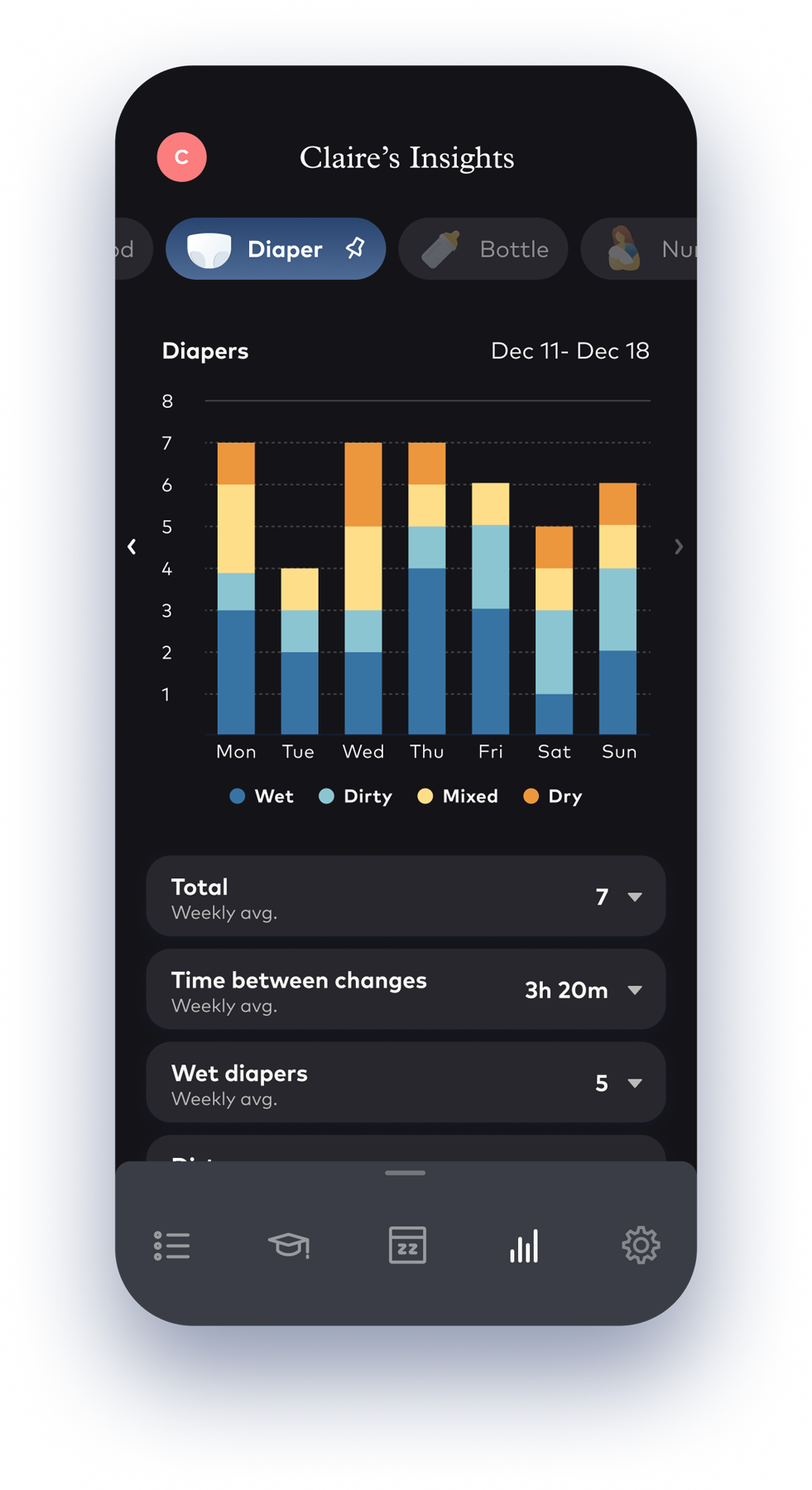
Understand your baby’s current habits
3-min assessment looks at your baby's patterns, to create a Smart Sleep Schedule that is biologically in-line with your baby's sleep rhythm, predicts optimal sleep times, and adjusts in real time as sleeps happen to optimize naps and bedtime, for more restful nights.
Fully custom sleep plan, that grows with your baby
Personalized plan will guide you step by step through an approach to solve your baby's sleep challenges today, and as setbacks happen along their sleep journey. From sleep regressions, to nap transitions, to feeding your baby to sleep - we've got your covered, ensuring lasting, effective results.
Everything you need for sleep success
In-app tools and an extensive expertly curated content pieces from pediatricians, sleep and mindfulness experts, ensure you have everything you need to reach sleep success.
• Daily courses
• Sleep notifications
• Auto-adjusted schedule
• Expert content
How does it work?
Understands your baby’s current habits
Our 3-min assessment looks at your baby's patterns, to create a Smart Sleep Schedule that is biologically in-line with your baby's sleep rhythm, predicts optimal sleep times, and adjusts in real time as sleeps happen to optimize naps and bedtime, for more restful nights.
Fully custom sleep plan, that grows with your baby
Your personalized plan will guide you step by step through an approach to solve your baby's sleep challenges today, and if set-backs happen in the future. From sleep regressions, to nap transitions, to feeding your baby to sleep - we've got you covered. Our app ensures lasting, effective results.
Everything you need for sleep success
In-app tools and expertly curated content pieces from pediatricians, sleep and mindfulness experts, guide you step by step to sleep success.
• Daily mini courses
• Sleep notifications
• AI-Powered schedule adjusts in real time
• Expert content




Over 1.5 million parents
Took our free sleep assessment



Loved by Parents
4.7/5 stars • Over 10,000 reviews

It really helped me
As a mom who struggled with my baby’s sleep patterns, the Smart Sleep Coach has been a game-changer! The personalized sleep plan and daily tips have helped my little one sleep longer and more peacefully.
smartsleepcoach.com
Super app
My partner and I love this app! we were in quite a tough period with losing sleep night after night with our toddler that had a 18 month regression. The app saved us- it gave us confidence that there is a solution and it’s worth staying the course. Within 5 days we were doing much better and within 14 days we were doing really great- almost back to pre-regression sleep, back to normal work days and back to normal family life. So worth it!
smartsleepcoach.com
Must have for new parents
This app is such a helpful resource when you feel like all hope is lost with your baby's sleep. There is so much information available to help you help your child so you can get your nights back. I would recommend this app to any parent!
smartsleepcoach.com
Amazing!
Honestly, worth every penny! My son is sleeping better and so am I! I’m so grateful for this app and definitely will refer people to it!
smartsleepcoach.com

Meet the Zzzz Team
.png)
Dr. Craig Canapari
Chief Pediatrician
Father of two and a Pediatrician who specializes in the care of babies and children who are experiencing sleep issues. Director of the Pediatric Sleep Center and author of ‘It’s Never Too Late to Sleep Train’.
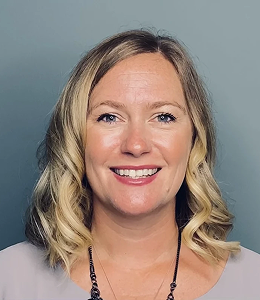
Mandy Treeby
Chief Baby Sleep Consultant
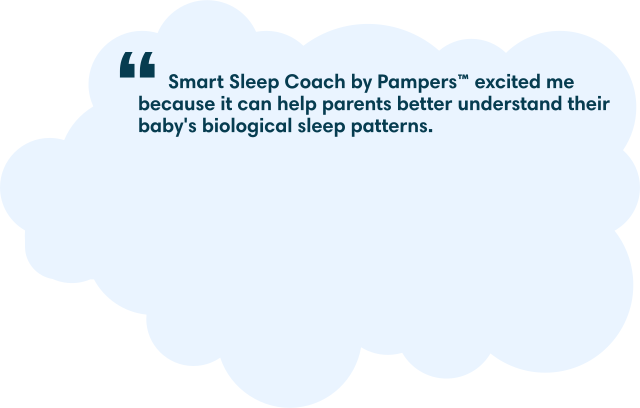
Mom of two, co-founder of the Smart Sleep Coach and a Pediatric Sleep Consultant. In working with parents & babies around the world she wants to make quality baby sleep coaching available to all.



Questions
You get download links to App Store and Google Play. Just install the app and login with your email to access your plan. From there, you can start your journey to better sleep and soon celebrate your first success!
Yes! You can invite for free other caregivers or partners to help on your baby's personalized plan for better sleep.
No, the app is designed to work on its own. You just need your phone or tablet.
You can easily cancel your subscription by going to your account settings within the app or contacting support@smartsleepcoach.com.
You'll keep access to your sleep plan until the end of your billing cycle.
Discover a personalized sleep solution tailored to your baby’s unique needs!
Download the app!Get back your Sleep



.png)
Get your Sleep back